
AI Pricing for Marketplaces: The Hidden GMV Growth Engine

Contents
AI pricing for marketplaces is growing faster as the secret force behind e-commerce success.
The US ecommerce gross merchandise value (GMV) hit $1.192 trillion in 2024. Platforms like Douyin (TikTok) saw their live commerce events generate GMVs in the billions. AI-driven shopping will reach $189 billion in global e-commerce GMV by 2025, which represents about 3% of market share.
AI-powered dynamic pricing creates major advantages for marketplaces. Best-in-class consumer marketplaces demonstrate how AI pricing software helps maintain supply-side GMV retention at or above 100% through month 12 and beyond. Static pricing models are becoming outdated. AI pricing enables real-time market adjustments, boosting conversion rates.
This piece dives into how AI recommendations and dynamic pricing strategies affect marketplace GMV growth. Large GMV often points to business expansion. Marketplace operators need to know how to prepare their infrastructure to integrate AI pricing successfully. AI interfaces could shape nearly $945 billion in purchases by 2028. Companies that utilize this technology now will gain the most important competitive edge.
Key Takeaways
AI pricing is revolutionizing marketplace revenue optimization, with companies reporting 5-25% revenue increases and some achieving up to 25% profit growth through dynamic, data-driven pricing strategies.
- AI pricing drives measurable GMV growth through real-time price adjustments, personalized recommendations, and reduced cart abandonment rates.
- Dynamic pricing outperforms static models by responding instantly to market conditions, competitor changes, and customer behavior patterns.
- Data quality is critical for success - AI pricing engines require clean, integrated data from sales, inventory, and market analytics systems.
- Implementation requires strategic preparation, including proper API integration, performance monitoring, and change management across teams.
- Early adoption creates a competitive advantage as AI interfaces are projected to influence $945 billion in purchases by 2028.
AI Pricing as a New Marketplace Surface
The marketplace operators now optimize revenue by moving from static to dynamic pricing. Online retailers have major benefits when they implement dynamic pricing strategies. They can update prices instantly by changing a database field. This eliminates the relabeling costs that traditional retailers face. Amazon uses this streamlined approach to adjust prices up to 8 times daily.
From static pricing to dynamic AI-driven models
Static pricing sets fixed rates that don't change for long periods. Take seasonal hotel rates that stay the same for months. Dynamic AI-driven models work differently. These systems analyze multiple data points continuously. They look at competitor pricing and customer behavior to determine the best prices through up-to-the-minute data analysis. Pricing has evolved from a periodic decision to an automated, continuous process that adapts instantly to market conditions.
Why traditional pricing fails in real-time marketplaces
Traditional pricing methods don't work well in today's ever-changing digital world. They can't adapt quickly to market changes. They also ignore price elasticity, treating all products with similar margins, regardless of customer sensitivity. Static pricing models miss opportunities. Market conditions change before manual adjustments can take effect.
Rule-based pricing creates more work than it saves. Static rules need manual intervention when sudden demand spikes occur or when competitors sell out.
AI pricing software vs rule-based engines
AI pricing tools take a completely different approach from rule-based systems:
- Rule-based pricing follows static "if-then" conditions (e.g., "match lowest competitor price") without predicting outcomes. These systems offer control but lack flexibility.
- AI pricing software employs machine learning to forecast outcomes, predict demand effects, and find optimal prices. These systems learn continuously from market data and become more accurate over time.
Boston Consulting Group studies show companies using AI-powered pricing see 5-10% revenue increases. Some retailers achieve up to 25% profit growth. On top of that, retailers who adopt AI-driven pricing models boost gross profit by 5% to 10%. They also improve their customer value perception.
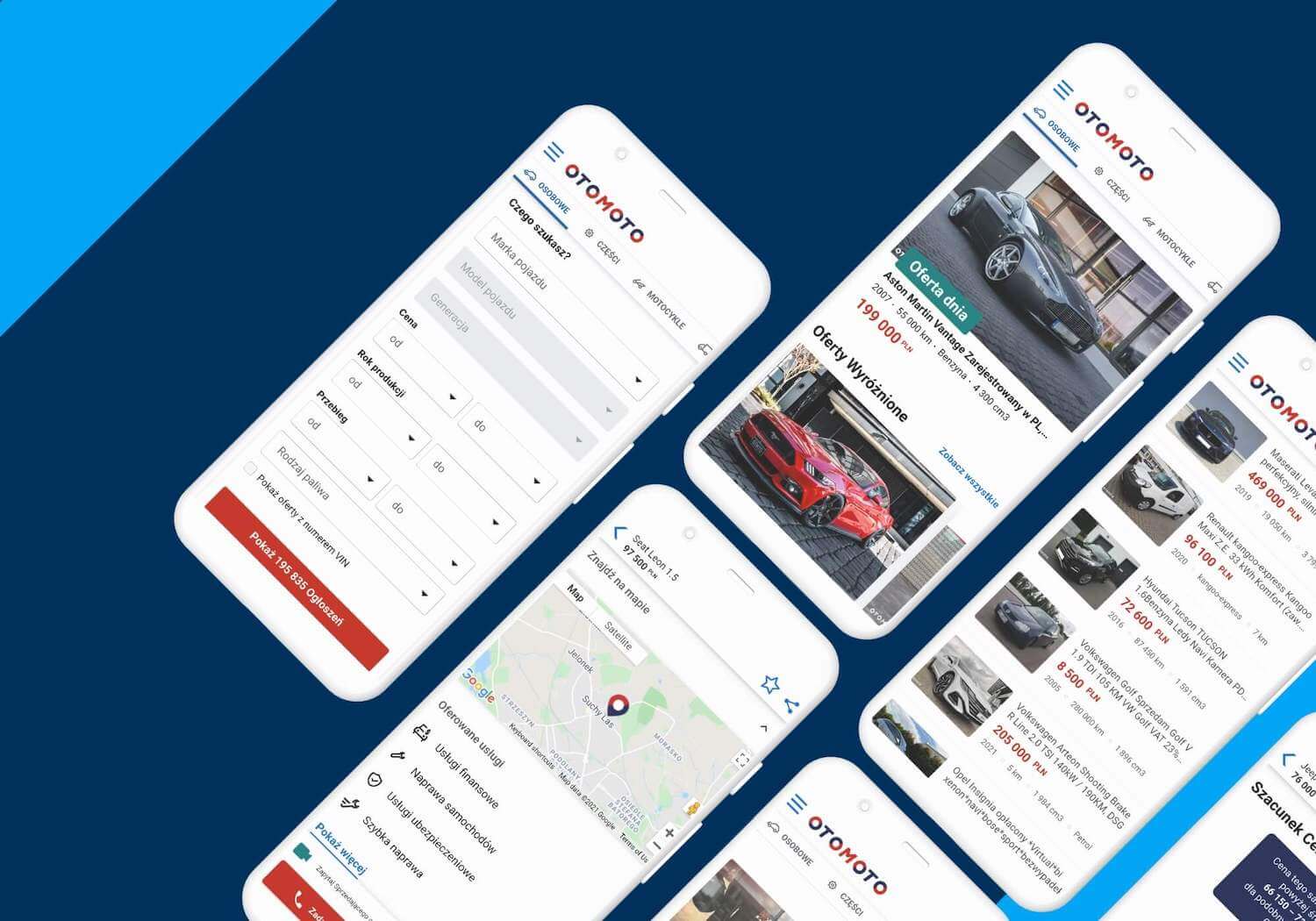
The OLX Motors Europe marketplace shows how AI pricing works well in practice. They faced transparency challenges with used car listings. Their solution was an AI-driven Price Evaluation feature that studies listings and shows visual indicators. These indicators tell buyers if prices are "within expectations," "higher," or "lower" than market averages. They rolled this tool out across multiple platforms, including Otomoto, Autovit, and Standvirtual. Buyers now trust the platform more, and pricing expectations have become standardized in this volatile secondhand market.
How AI Pricing Directly Impacts GMV?
AI-powered pricing strategies help marketplaces see clear effects on their Gross Merchandise Value (GMV). These smart systems do more than adjust prices—they build a complete ecosystem that boosts revenue throughout the customer's experience.
Dynamic pricing to match real-time demand
AI-driven dynamic pricing keeps track of variables like demand changes, competitor pricing, and market conditions. AI can raise prices to boost revenue during busy times and then lower them during quiet periods to draw customers. Retailers can quickly adapt their pricing to market changes this way. They keep optimal price points that balance sales volume with profitability.
Companies using data-based pricing see up to 25% increase in revenue. Retailers who use AI to optimize prices report 10-12% more revenue on average, and some see profit jumps of 20-25%.
AI recommendations for upselling and bundling
AI turns basic product catalogs into money-making assets by studying product connections, customer priorities, and sales data. These systems spot which products sell well together and suggest automated bundles. This boosts average order value while giving customers convenient package deals.
Notable advantages include:
- Smart AI integration into existing platforms can boost conversion rates by up to 30% through better timing and relevance.
- Dynamic pricing software can automatically cut prices of recommended products when customers add more items to their carts.
Reducing cart abandonment through price optimization
Price optimization tackles cart abandonment by showing the right price to the right customer at the perfect time. Dynamic pricing algorithms have shown they can boost conversion rates by up to 15% through well-timed price changes.
Personalized pricing based on user behavior
AI-powered pricing lets marketplaces offer custom pricing based on customer groups, purchase history, and behavior signals. Businesses can spot which products can handle premium pricing and which need competitive positioning to keep market share.
This powerful tool raises important points to think about. The FTC found that retailers often use people's personal details—from location and demographics down to mouse movements on a webpage—to set targeted prices for goods and services. Being transparent is vital when using personalized pricing strategies.

Case Study: OLX Motors Europe and Price Transparency
OLX Motors Europe tackled a vital marketplace challenge. They needed to make used car prices more transparent in a market where value was hard to determine. Buyers weren't sure if car prices were fair, which made them hesitant to buy.
Challenge: Lack of pricing clarity in used car listings
Cars are big purchases that cost a lot of money. A study reveals that 86% of British consumers say their car is their most expensive piece of technology. The high cost makes price transparency vital. Used car listings didn't show clear market positions, which made buyers uncertain and reduced sales.
Solution: AI-driven price evaluation with visual indicators
The Lisbon Data Science Team worked with local OLX teams to build a new price evaluation feature. This AI tool compares each listing with similar cars on the market. Buyers can see right away if a car's price is "within expectations," "higher," or "lower" than similar listings.
Cross-platform deployment: Otomoto, Autovit, Standvirtual
OLX rolled out this transparency tool on several European car platforms: Otomoto (Poland), Autovit (Romania), and Standvirtual (Portugal). Price evaluation indicators show up everywhere - listing pages, ad details, posting forms, and seller dashboards.
Impact: Higher buyer trust and competitive seller pricing
AI price evaluation became what OLX calls a "trust amplifier". Buyers felt more confident with objective third-party price assessments. An OLX executive put it well: "What we can offer to the market is transparency". Clear pricing helps buyers spot good deals quickly. Sellers also price their cars more competitively to meet market expectations.
Preparing Your Marketplace for AI Pricing Integration
AI pricing integration needs a strong foundation to succeed. Simple plug-and-play solutions won't work. The system requires careful preparation and continuous management to maximize GMV growth.
Structuring product data for AI pricing engines
Data integrity is the life-blood of any AI pricing system that works with data integrity. Your e-commerce platform, inventory management system, and sales analytics must provide clean, integrated data streams. Quality data means more than accuracy. It needs relevance with well-laid-out ontology objects and matching behaviors. Historical sales figures, customer information, competitor pricing data, and market trends should form your initial dataset.
Integrating AI pricing APIs with checkout systems
Your AI pricing models should connect directly to checkout systems through APIs or direct data flow integration. This removes friction points where buyers often abandon their carts. Customers can stay in their discovery environment to complete transactions, which reduces common drop-off points. Commerce Layer's documentation states that the system contacts your endpoint to get item-specific prices when a line item uses the _external_price flag.
Monitoring GMV lift post-AI pricing rollout
Track revenue growth, churn, and margin effects closely after implementation. AI adoption presents more than pricing challenges. It's a change management challenge that needs new workflows and team structures. Your brand positioning needs protection through minimum and maximum price thresholds and daily change limits. Analytics transparency comes first. Quick iterations follow as data and customer feedback arrive.
Conclusion
AI pricing has become a powerful driver of marketplace GMV growth and transformed how online platforms optimize revenue and customer experiences. This piece shows how the change from fixed to flexible pricing models creates substantial advantages for marketplace operators who adopt this technology.
AI pricing affects GMV directly through immediate price adjustments that respond to market conditions, competitor strategies, and customer behavior. Traditional pricing methods stay fixed when circumstances change. AI-powered systems learn and adapt continuously to create optimal price points that balance profitability with sales volume.
On top of that, these smart systems do more than just adjust prices. They create individual-specific pricing strategies, product bundling recommendations, and targeted promotions that substantially lower cart abandonment rates. So marketplaces that use AI pricing see revenue increases between 5-25%, based on how well they implement it and their market conditions.
The OLX Motors Europe case study shows these benefits in real life. Their AI-driven price review feature solved a major trust gap in the used car market. It helped buyers make confident purchasing decisions and encouraged sellers to price competitively. This transparency tool set standard pricing expectations across European platforms and showed how AI can solve specific marketplace challenges.
Marketplace operators need to prepare their infrastructure before they implement AI pricing. They must structure product data correctly, integrate pricing APIs with checkout systems, and set up proper monitoring frameworks to track GMV improvements after implementation.
Without doubt, as e-commerce grows explosively, AI pricing will become less of an advantage and more of a necessity. Companies that become skilled at these technologies now will lead this transformation. They will capture much of the market share while delivering better customer experiences.
Now is the time to act. AI interfaces will influence nearly $945 billion in purchases by 2028. Marketplace operators need to review their current pricing strategies and plan their move to AI-powered solutions. Implementation needs careful planning and resources, but the potential GMV growth makes this investment worthwhile for platforms focused on long-term market leadership.
Frequently Asked Questions (FAQ)
How does AI pricing impact marketplace GMV?
AI pricing directly impacts GMV by enabling real-time price adjustments, personalized recommendations, and reduced cart abandonment rates. Companies implementing AI-driven pricing strategies have reported revenue increases between 5–25%.
What are the advantages of AI pricing over traditional pricing methods?
AI pricing systems continuously learn and adapt to market conditions, competitor strategies, and customer behavior, unlike static traditional pricing methods. This dynamic approach enables optimal price points that balance profitability with sales volume.
How can marketplaces prepare for AI pricing integration?
Marketplaces should structure clean, integrated data from sales, inventory, and market analytics systems. They should also connect pricing APIs with checkout systems and establish monitoring frameworks to measure GMV lift after implementation.
What results did OLX Motors Europe achieve with AI-driven pricing?
OLX Motors Europe introduced an AI-driven price evaluation feature that increased buyer trust and encouraged competitive seller pricing. The solution standardized pricing expectations across multiple European platforms, addressing a key trust gap in the used car market.
Why is early adoption of AI pricing important for marketplaces?
Early adoption of AI pricing creates a strong competitive advantage. With AI interfaces projected to influence nearly $945 billion in purchases by 2028, marketplaces that adopt these technologies early are better positioned to capture market share and deliver superior customer experiences.


