








What do retail software development services include?
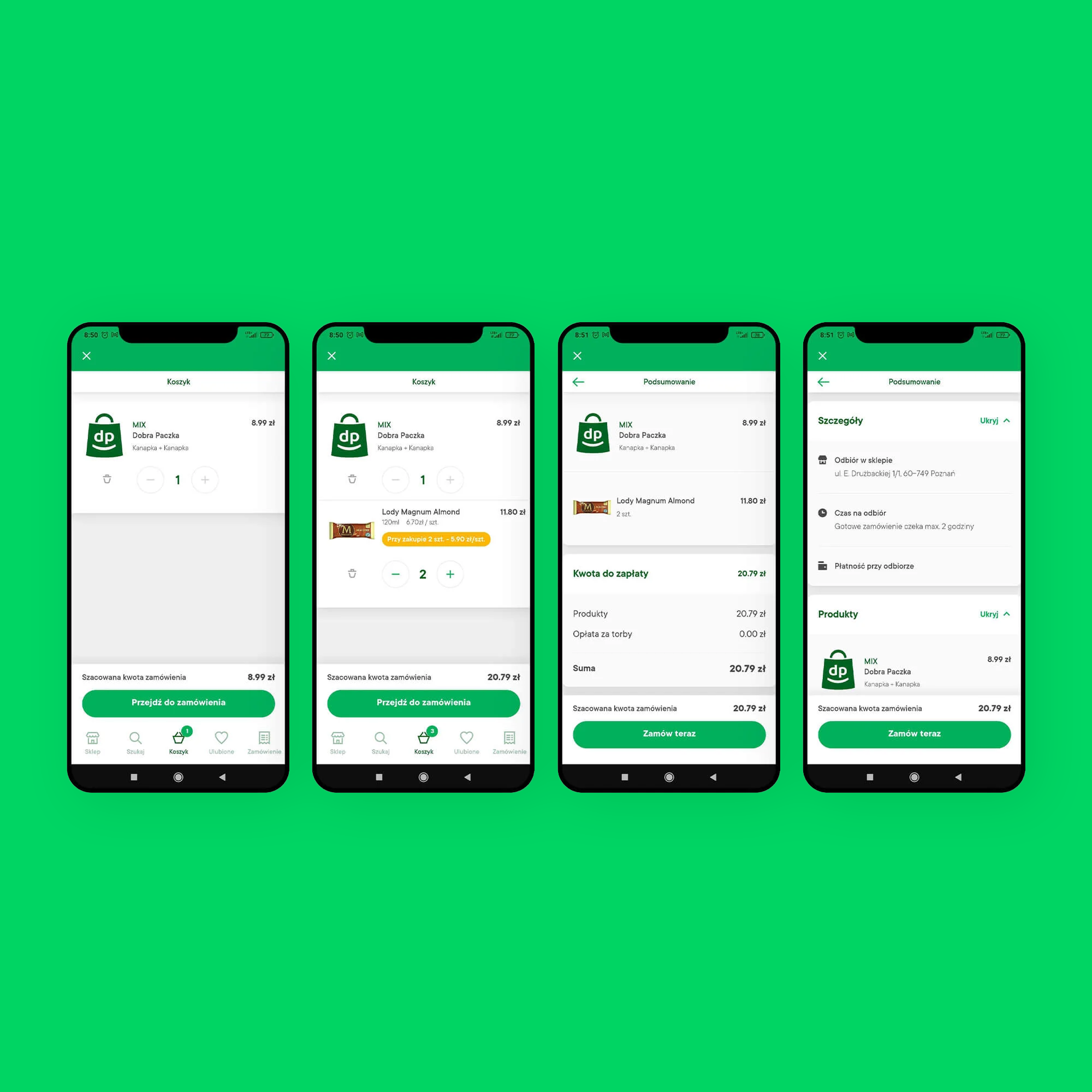
They cover the design, build, and integration of software that runs a retail business: ecommerce, mobile commerce, POS, inventory, an order management system, and retail analytics. Unlike an off-the-shelf licence, the code is built around your processes and connected to your existing systems.
Which engagement model should we choose?
A fixed-scope project suits a well-defined build, such as one POS integration. Time and materials suits evolving roadmaps. We usually recommend a dedicated team of engineers, QA, a designer, a PM, and a tech lead for ongoing platforms, and team extension if your in-house retail engineers need extra capacity.
When does custom retail software beat off-the-shelf or composable platforms?
Custom wins when your pricing, fulfilment, or store workflows are a competitive edge that a packaged product cannot express. Off-the-shelf wins for standard needs and fast launches. Composable commerce sits between them, and we cover it on our commerce engines page.
How long does a POS integration take?
It depends on how many POS types you run, whether the vendor exposes usable APIs, which payment terminals are involved, and how much offline behaviour you need. We give no week count before discovery. POS integration is usually phased store by store, so the first stores go live while the rest wait.
Can you work with our existing ERP, WMS, and POS?
Yes. ERP and WMS integration is the starting point of most retail projects we run. We wrap legacy systems behind APIs, run old and new in parallel, and migrate one store, warehouse, or channel at a time instead of a big-bang cutover.
How do we choose a retail software partner?
Check for relevant retail case studies, a security certification such as ISO 27001, code ownership and IP assignment in the contract, a clear statement of work, and defined support terms. Ask who will be on the team, and ask to see a past integration with a legacy system.
How do POS, ecommerce, and mobile share one inventory view?
They read and write to one stock service, so omnichannel inventory has a single source of truth. Orders reserve stock at the moment of purchase, and tills sync from a local queue after an outage. See our inventory management software work.
Which retail verticals do you build for?
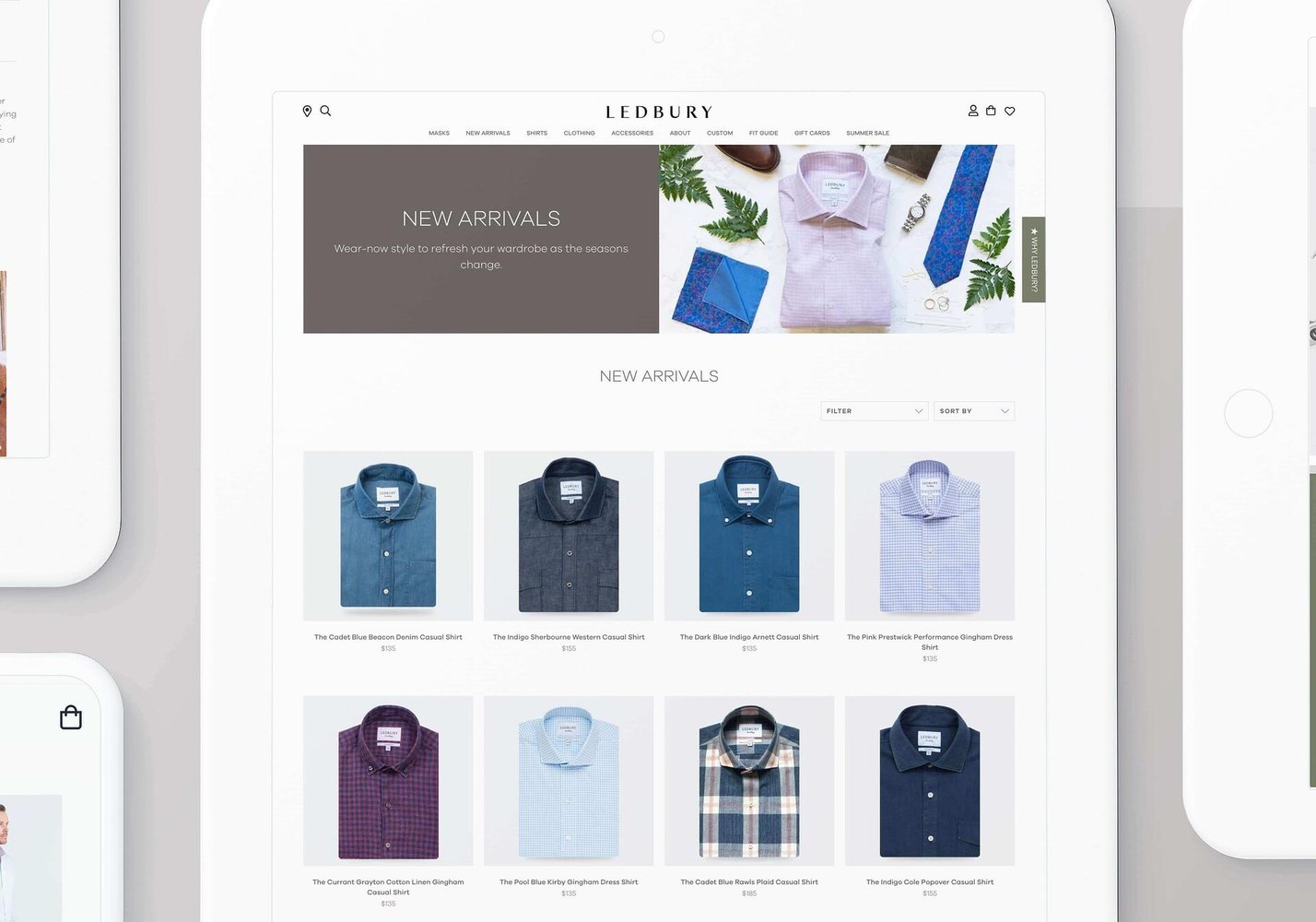
Apparel: size and style variants multiply SKUs and returns. Grocery: perishables, substitutions, and delivery slots (see our grocery platform development). Food and beverage: time-sensitive orders and menu changes. Electronics: serial numbers and warranty tracking. Home decor: bulky items, split shipments, and long lead times.
How does retail analytics software improve sales decisions?
Retail analytics dashboards show sales by store, channel, and product, so you spot slow lines and strong ones early. Customer behaviour data shows what shoppers buy together and when they stop buying. We connect these views to your existing BI tools and add demand forecasting where your history supports it.