
Design System Adoption Pitfalls


Contents
Design systems aren’t failing because they’re poorly built—they’re failing because no one’s using them.
Design systems promise a lot: consistency, speed, scalability, and better collaboration across teams. But while building one is already a significant effort, getting teams to actually use it is where many companies stumble. Far too often, the design system ends up sitting on a digital shelf—built with good intentions, quietly abandoned.
This is one of the most overlooked truths in digital product development: the hardest part of a design system isn’t creation—it’s adoption.
Across industries, the same pattern repeats: teams invest time and budget into a design system, launch it with excitement, and then… nothing. The very system meant to bring cohesion becomes a source of confusion and friction.
Why design system fails
Creating a design system is typically a centralized effort—a small team builds, tests, and documents the system. But design system adoption is decentralized. It unfolds across distributed teams, tools, timelines, and competing priorities, which makes it far more complex.
Why design system adoption so difficult?
- Teams may not see how the system solves their real problems
- The system might not align with their existing workflows
- Components are too generic—or too complex—to be useful
- Documentation is fragmented or outdated
- There’s no clear support or feedback loop
Design Systems pitfalls
Design system implementation often begins with high hopes—faster delivery, improved consistency, better collaboration. But without sustained attention to how the system is adopted and integrated into real team workflows, those expectations quickly fade.
Below are some of the most common design system adoption pitfalls that derail progress and reduce long-term impact.
Overengineering without real demand
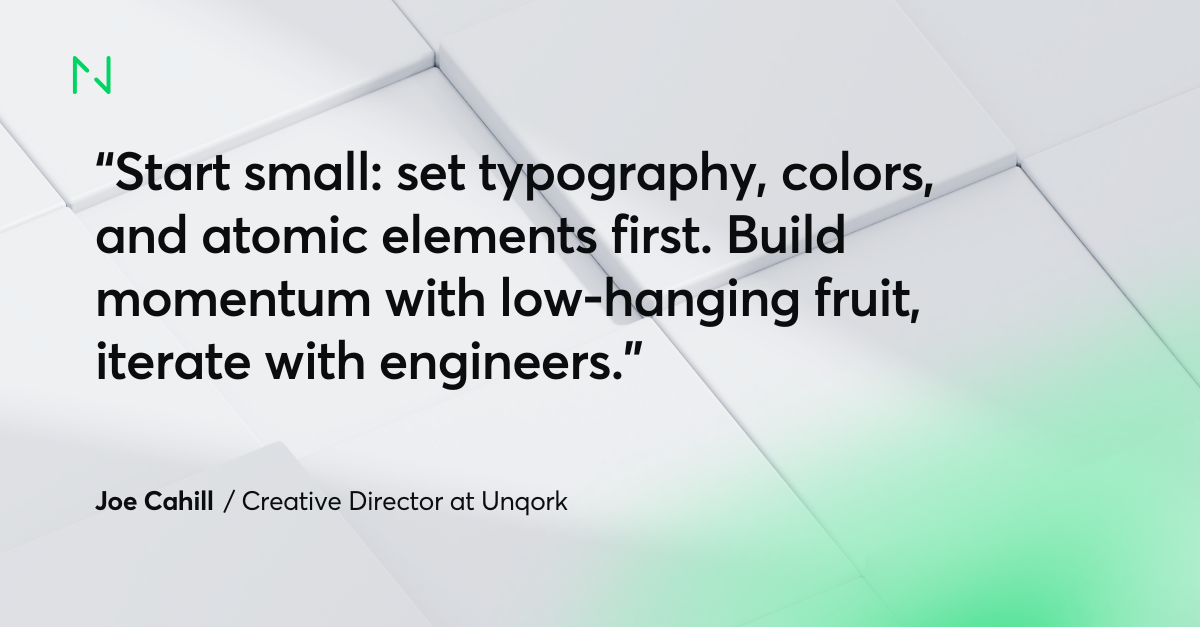
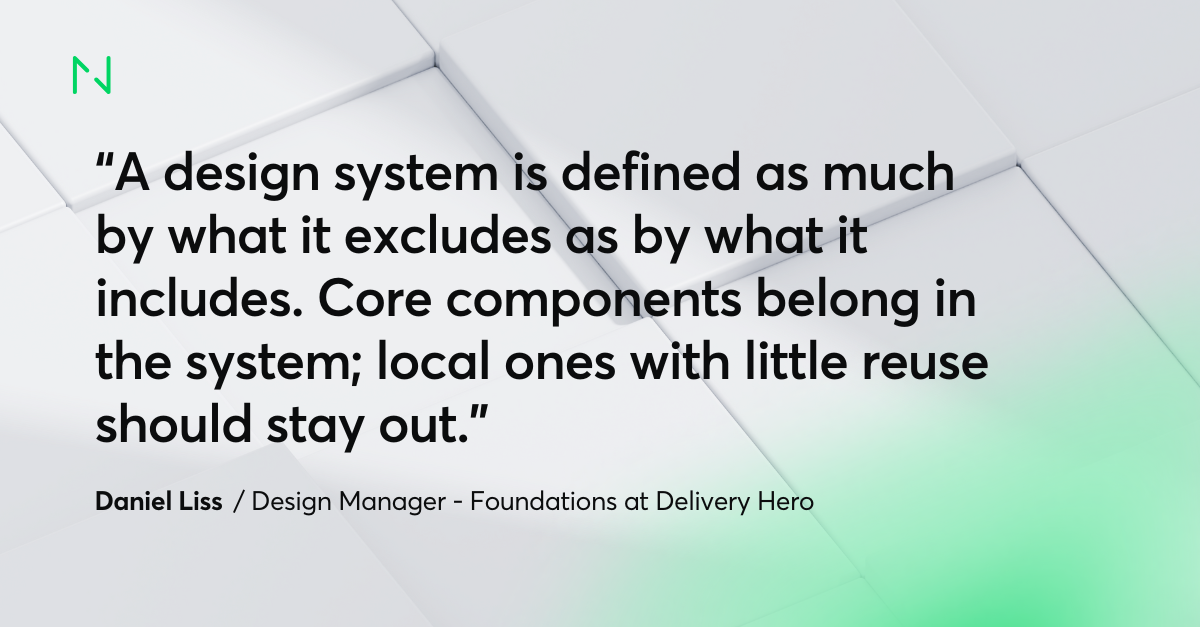
One of the most frequent mistakes is building too much, too soon. Design system teams often aim to create a full library of components at launch, covering every possible scenario. But when these components aren’t based on actual, validated needs, they tend to go unused.
Overengineering creates clutter, makes the system harder to navigate, and increases the maintenance load. It also makes onboarding harder for teams who just want to solve specific, real-world problems—not sift through options they don’t need.
Lack of clear ownership or governance
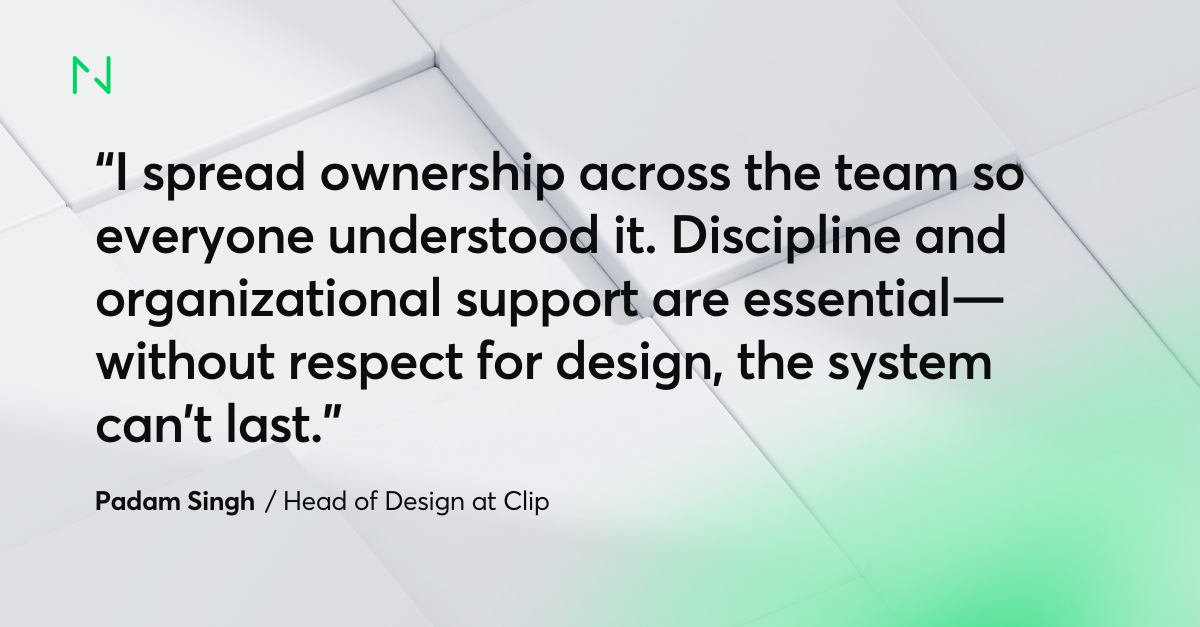
A design system doesn’t maintain itself. When no one has clear responsibility for managing the system, quality declines fast. Updates become inconsistent. Bug fixes are delayed. Component documentation becomes outdated or incomplete. Without governance, teams often don’t know how to contribute, escalate issues, or request improvements. This lack of structure erodes trust in the system and limits its ability to evolve with the organization’s needs.
Low buy-in across teams
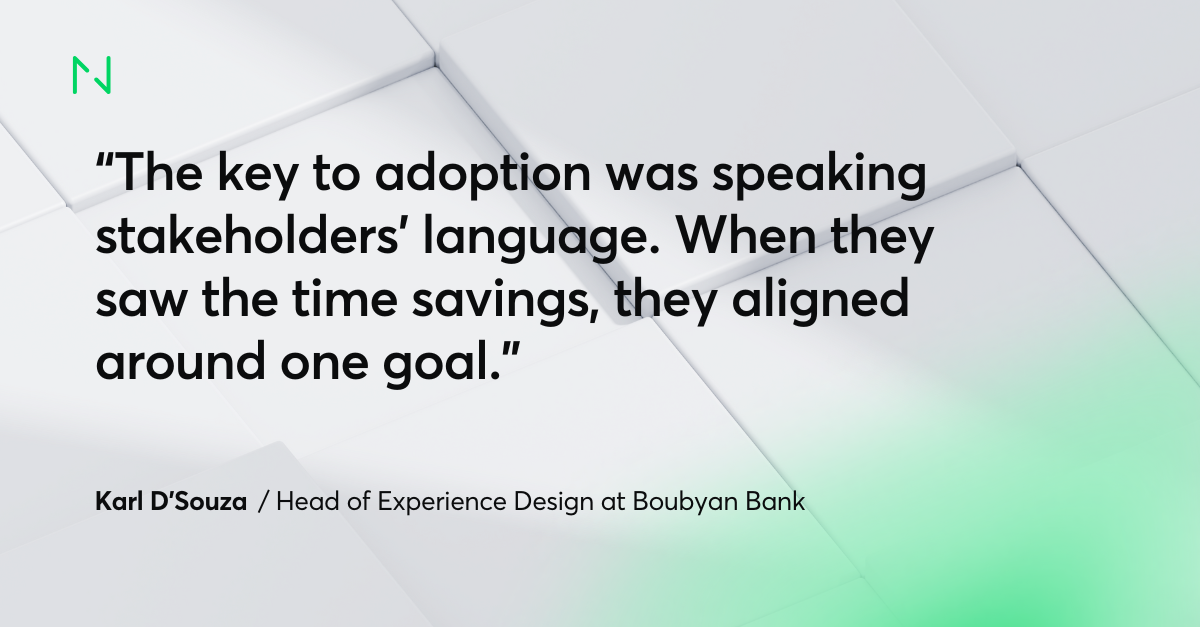
Design systems that are built in isolation tend to fail in isolation. When teams feel the system was handed down without their input, they see it as a restriction, not a resource.
This lack of buy-in leads to uneven adoption—some teams embrace it, others work around it. Without alignment across disciplines, the system never becomes a shared foundation.
Tool and documentation fragmentation
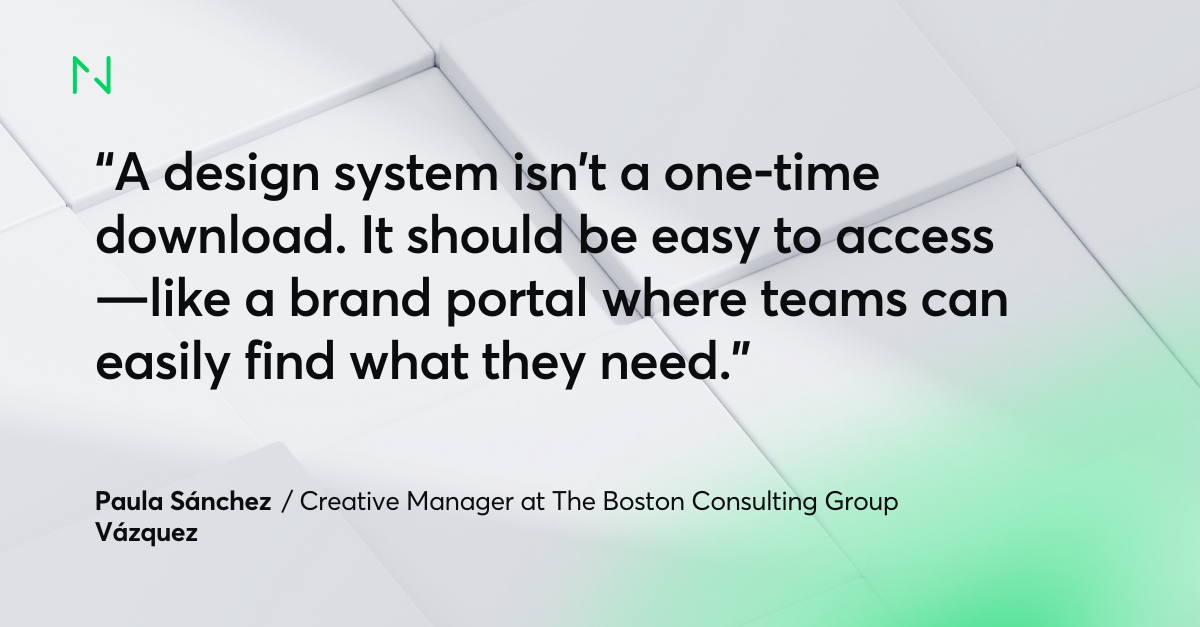
Many systems suffer from a fragmented experience: design assets live in one tool, documentation in another, code in yet another. This makes the system harder to use—and much harder to trust. When team members don’t know where to find the right version of a component, or if the guidance is out of date, they often default to rebuilding what they need. That duplication not only wastes time, but leads to inconsistent user experiences across the product.
Mismatch between system complexity and team capabilities
Some systems introduce advanced, abstract architectures with too many configuration options. While technically flexible, they overwhelm teams who just want to ship quality work.
If designers or engineers need extra effort to understand how to use a component, they’re likely to avoid it altogether. This results in parallel solutions, reduced adoption, and growing tech debt.
Misunderstood purpose of the system
Many teams mistake a design system for a visual library, when in fact, it’s organizational infrastructure. It’s not just for designers—it’s for aligning cross-functional teams, streamlining development, and delivering consistent user experiences at scale.
Without a shared understanding of this purpose, the system is underutilized or applied inconsistently, limiting its strategic value.

Design system adoption levels
Not sure whether your system is sticking? Here are some common signs of low adoption:
Partial use
Some teams use a few components, others ignore the system entirely. This leads to inconsistency and undermines the benefits of standardization.
Shadow components
Teams recreate components with slight variations because they don’t trust or fully understand the system. This duplication adds to tech debt and bloats the codebase.
Workarounds and reinvention
Instead of adapting system components, teams build their own. This often points to poor documentation, usability issues, or components that don’t fit real-world needs.

The role of the design system team
Behind every successful design system is a dedicated design system team—a cross-functional group that blends design, development, and product thinking. This team isn’t just building components; it’s driving the strategy, adoption, and ongoing implementation of a scalable system across the organization.
A strong design system team understands both the technical structure of components and the broader context of the product experience. Their core mission is to maintain a unified design language—one that’s reusable, consistent, and accessible for any team building digital products.
That means developing and maintaining a robust library of design system components—including web components, UI components, code snippets, and foundational elements like design tokens. These assets reduce duplication, improve design-to-development handoff, and accelerate product delivery by giving teams the tools they need to work faster with fewer inconsistencies.
You can see this model in action in Silk, our free design system for commerce, where reusable components and token-based foundations enabled up to 50% faster prototyping in real client projects.

Conclusion: design systems lessons learned
Design systems don’t succeed because they’re comprehensive. Design systems succeed because they’re useful, trusted, and continuously evolving. Adoption doesn’t happen at launch—it happens over time, through real use, real feedback, and real collaboration.
If there’s one lesson that stands out across every design system implementation—successful or not—it’s this: culture matters more than components. Implementing design systems requires attention to real team needs and processes to ensure successful adoption and lasting value.
You can have perfect documentation, a polished component library, and beautiful tokens. But if teams don’t see the system as something built for them—and with them—it won’t stick.
Leading organizations prioritize collective participation and clear governance to maintain successful and innovative design systems.
A sustainable design system isn’t a one-time project. It’s a living product with internal users, changing requirements, and growing expectations. Like any good product, it needs maintenance, support, and alignment with the people it serves.


