
A Prediction System to Better Estimate Talent Needs for Technology Projects

The client

Netguru’s hardest internal problem is matching demand for its services against the talent it has in-house. A perfect balance — exactly as many engineers and designers with exactly the right skills as the live projects need — is effectively unreachable.
When demand rises we recruit, but onboarding takes time. When demand falls, people end up without a project. The industry calls it the bench.
The challengeWhat the teams actually needed
An excessive bench is unhealthy for a project-oriented company in three separate ways, and monitoring it retrospectively was not preventing any of them.
Challenge 01Cash flow
Benched employees keep getting paid, and no project revenue covers those salaries.
Challenge 02Disengagement
People want to develop and to use what they were hired to do. Without that, boredom sets in and better projects elsewhere start to look attractive.
Challenge 03Culture
Enough disengaged people and the mood spreads, feeding dissatisfaction and turnover across the company.
What we did
Looking forward instead of back
The bench was already being monitored closely, with internal data gathered and analysed after the fact to improve how it was handled. That was not enough.
Gathered internally, continuously
The company had been collecting its own data on the bench for a long time, which is what made a predictive approach possible at all.
Retrospective has limits
Analysing what already happened improves the response but never gets ahead of it, which is the reason for the project.
Seeing it coming
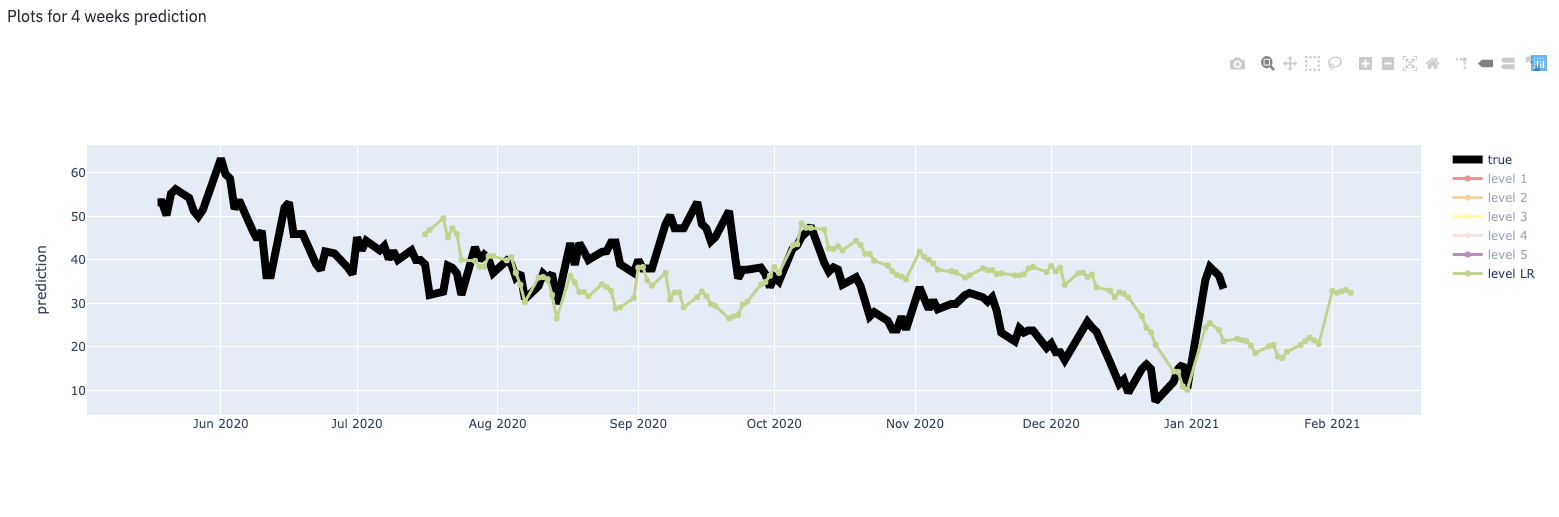
The work moved toward predicting bench rather than reporting on it, so decisions about recruitment and assignment can be made in time to matter.
Cost, and the people behind it
Getting this right protects cash flow, but the reason it matters most is the engineers and designers who would otherwise be sitting without work.
Netguru quote
Managing bench assignments for our delivery team members is a challenging task. We work in a very unpredictable environment where both supply and demand change constantly. By applying our machine learning models we are able to predict the demand more accurately and plan our internal initiatives more efficiently.
More like thisOther places we scaled product teams for growth.
What’s next