
Reinventing Click & Collect – a New Take on Online Grocery Shopping
The client
Click and Collect is a convenient alternative to ordering groceries for delivery: the customer fills a basket online, places the order, then picks it up themselves at a set place and time — a parcel locker, a shipping company’s premises or the store. Walmart’s Pickup Towers and the Amazon Hub Locker are examples; more sophisticated versions, such as Zara’s, handle returns and exchanges too.
It suits customers and it spares retailers the difficulties of last-mile delivery.
The challengeWhat the teams actually needed
The pandemic pushed retailers to fold their physical stores into a digital ecosystem, and the gap between the online and offline experience became one of the commonest sources of customer dissatisfaction.
Challenge 01A shift in behaviour
Many people tried online shopping for the first time, opening segments of the market that did not previously exist, and retailers with effective omnichannel strategies saw online sales rise.
Challenge 02Rules that differ locally
Local legal restrictions and pandemic requirements had to be met alongside sensible safety measures, implemented effectively and quickly.
Challenge 03Consistency across both
Inconsistency between what happens online and what happens in the store is precisely what frustrates customers.
What we did
The collection experience, reinvented from research
Building the best process we could meant starting with thorough research, run together with our business and growth teams.
Ordered at home, collected when convenient
Placing the order from home and picking it up at a moment that suits is simply faster than the alternatives.
Search, recommendations, reviews
Online search, recommendations and reviews make deciding easier, while an intuitive interface gives the retailer more control over the experience.
Collection points as coverage
Offering several collection points lets a retailer reach customers who would never visit its physical stores.
Touchless, and under control
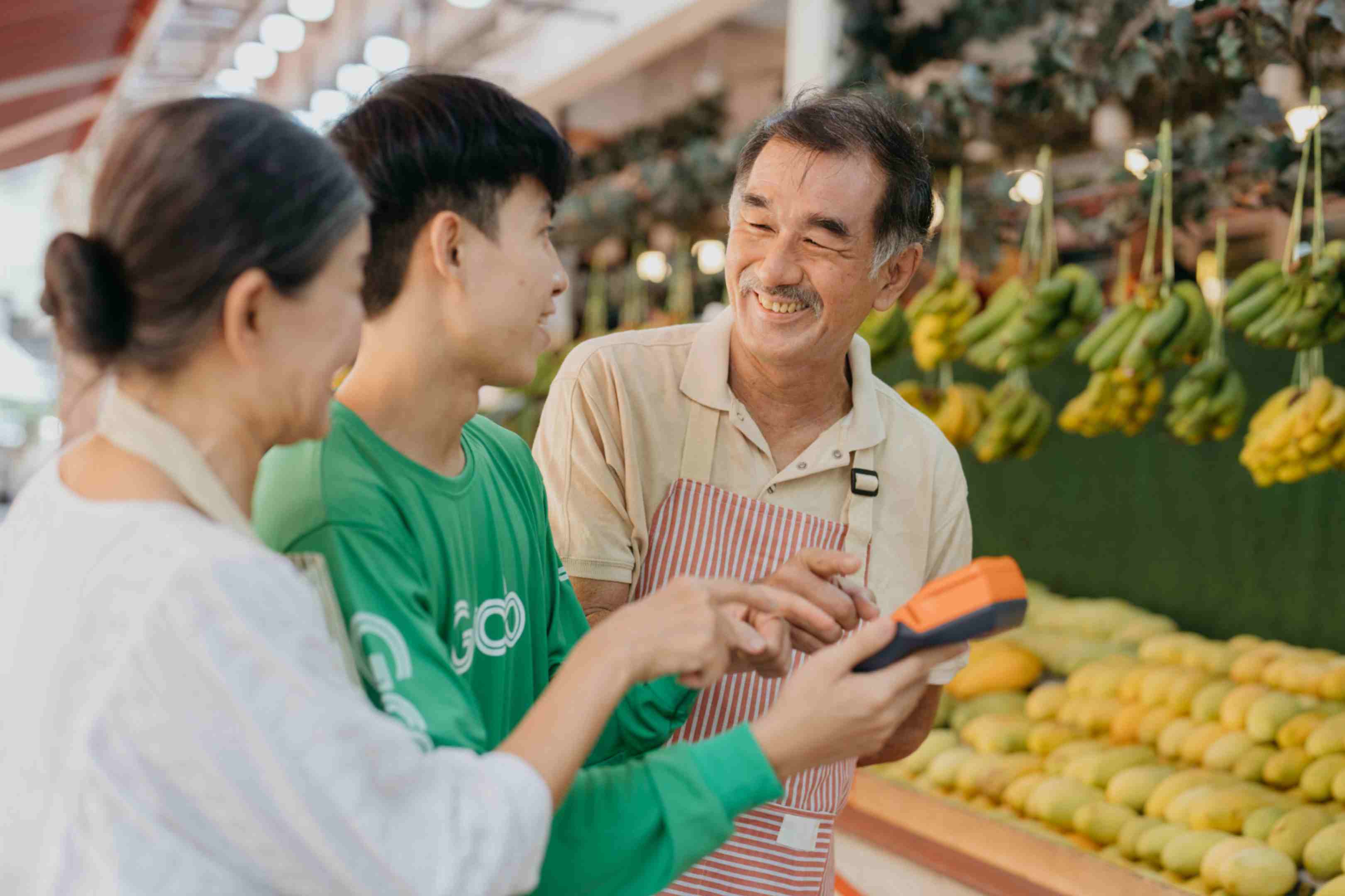
Precautions and legal requirements are easier to apply when the retailer controls the process end to end, and the solution offers limited social contact with safe touchless payment.
More like thisOther places we scaled product teams for growth.
What’s next