
Cloud Application Development Services

Cloud application development on AWS, Microsoft Azure and Google Cloud Platform: cloud-native architecture, serverless functions and DevOps. Rated 4.9 out of 5 by our clients.

Trusted by

Estimate your project

Cloud application development services built around your workload

Six service lines, one team from architecture to production.

Cloud-native application build

New products designed with cloud-native architecture on Amazon Web Services, Microsoft Azure or Google Cloud Platform, running on Kubernetes or serverless computing depending on traffic shape.

Migration and modernization

The 6 Rs of cloud migration (rehost, replatform, refactor and more) are weighed in a workload assessment that sets the path for each legacy application.

SaaS product development

Multi-tenant products with tenant isolation, role-based access and usage metering, taken from MVP to a production release.

Infrastructure as code and CI/CD pipelines

Infrastructure as code and a CI/CD pipeline with automated tests, container builds and staged environments, so releases no longer depend on one engineer's laptop.

Cloud architecture and cost optimization

Reference architecture, resource tagging and budget alerts show which services drive your monthly cloud bill. Our cloud strategy team runs this work.

Security and compliance engineering

IAM with least privilege, encryption and audit-ready evidence for GDPR and SOC 2 scope, checked against the OWASP Top 10.

Cloud application development backed by real delivery

17+

Years in the market

Building web, mobile and AI products since 2008.

3,500+

Projects delivered

From MVPs to enterprise platforms.

900+

Clients worldwide

Product teams in 50+ countries.

4.9/5

Average client rating

How our clients rate their work with Netguru.

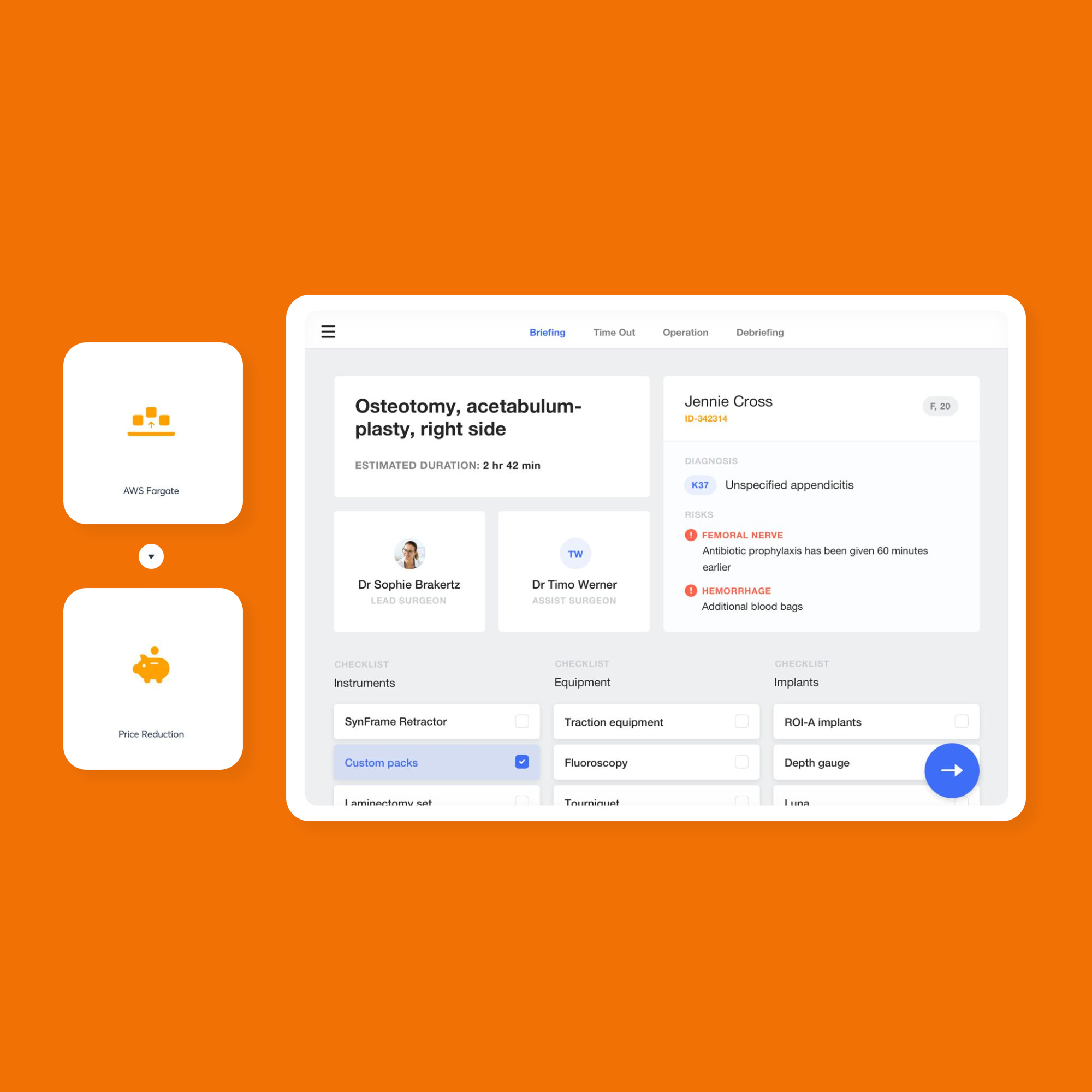
Nodus Medical: a surgical SaaS platform moved to AWS to scale

Nodus Medical's voice-controlled assistant supports surgical teams in hospitals across Europe, and growth meant the platform had to scale securely.

After designing the platform and building its frontend, Netguru's DevOps consulting team migrated the infrastructure to Amazon Web Services.

Since we operate in healthcare, where tolerance for critical issues is relatively low, we’re constantly improving the quality of our software.

Lukas Vogt

Former CEO at Nodus Medical

Read case study
Nodus Medical orange square preview

How we build and deploy a cloud application

Six steps from first workshop to production. Our cloud application development guide covers the architecture choices in more depth.

  1. Discovery and workload assessment

    We map users, data flows, integrations and compliance scope, then rank workloads by risk and value. You receive a scoped backlog and the cost drivers behind your estimate.
  2. Architecture and platform choice

    Amazon Web Services, Microsoft Azure and Google Cloud Platform are compared against your workload, team skills and data residency. You receive an architecture decision record.
  3. Infrastructure as code and environments

    Networks, clusters and environments are defined in infrastructure as code, so development, staging and production match. You receive a reviewed repository and a working CI/CD pipeline.
  4. Build and integrate

    Sprint-based delivery of services and integrations with your existing systems. You receive working increments in staging after every sprint.
  5. Security and load testing

    We run OWASP Top 10 checks, dependency scans and load tests against realistic traffic. You receive a test report with a ranked list of fixes.
  6. Launch and handover

    Cutover runs with a rollback plan, and dashboards and alerts go live. You receive runbooks, documentation and a handover session for your team.

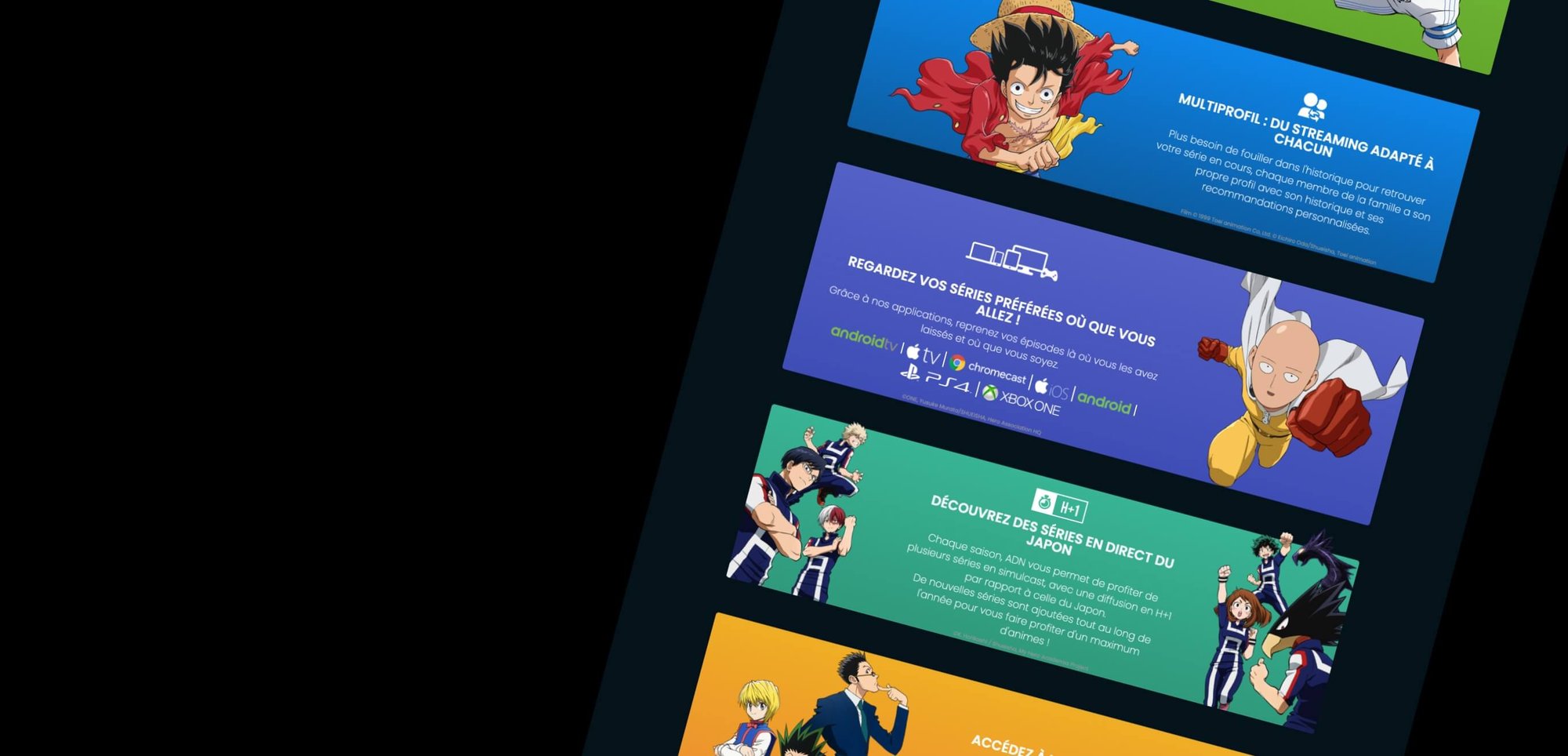
ADN: a PHP platform rebuilt as an autoscaling cloud streaming service

Anime Digital Network needed its streaming platform to stay up under heavy traffic and leave room for new features.

Netguru rebuilt it on AWS with autoscaling and CI/CD pipelines, and the client came back for multiprofiles, a Zendesk integration and purchases in the app and on Smart TV.

This is what we can call a true partnership! Whenever we faced challenges, we could rely on Netguru.

Julien Lemoine

CEO of Anime Digital Network

Read case study
ADN streaming platform

How we secure and run cloud applications

Engineering standards we apply on every build.

Shared responsibility

Under the shared responsibility model, the provider secures the platform, we secure what we build, and you own data classification and access decisions.

IAM and least privilege

Role-based access, short-lived credentials and separate accounts per environment, reviewed at every release.

Encryption

TLS in transit and provider-managed keys at rest, with customer-managed keys where your data classification calls for them.

Secrets management

Credentials live in a managed vault, never in code or pipeline variables, and rotate on a defined schedule.

GDPR and SOC 2 scope

We map personal data flows and control boundaries up front, so audit evidence comes from the pipeline. Our own delivery holds ISO 27001 and GDPR compliance.

Resilience, observability and cost

Multi-AZ failover and agreed RTO and RPO targets keep the application available, while dashboards, alerts and budget alerts keep performance and spend visible after launch.

What our clients say

Rated 4.9 out of 5 by our clients.

If I had another project, I would directly start it with Netguru and not look for other providers.

Dr. Sayf Al-Sefou

CTO, CRIF Bürgel GmbH

It's a pleasure working with the entire team at Netguru. I'm especially happy that the IT support teams, both ours and Netguru's, collaborate so smoothly that it feels like a single team.

Kasparas Kralikas

Engineering Manager, Vinted Go

They never make promises that they can't keep.

Willem De Jager

CEO, Odin Company

How you can work with us

Three ways to start. Each one comes with the same delivery standards and a named delivery lead.

Fixed-scope project

A defined scope, timeline and budget, agreed after a paid discovery phase. It suits a first release or a well-specified module.

Dedicated team

A cross-functional team of cloud and backend engineers, DevOps, QA and a delivery lead that owns a roadmap with you sprint by sprint, under time and materials.

Team extension

Senior cloud and DevOps engineers who join your in-house team, follow your process and tools, and are matched to the skills your roadmap needs.

Frequently asked questions

What is cloud-based application development?

It is building software that runs on cloud platforms such as Amazon Web Services, using managed services, automated environments and usage-based infrastructure. It differs from hosting an existing app on a virtual server, where the architecture stays unchanged.

Our cloud application development services cover cloud-native builds, migration and modernization, SaaS product development and DevOps.

How much does cloud application development cost?

Cost depends on scope and number of user roles, integrations with existing systems, design depth, compliance and security needs, and team shape and engagement model. Build cost is a one-off project spend, while cloud run cost is a monthly bill that follows usage, storage and data transfer.

A discovery phase turns these drivers into an estimate. We do not quote figures without it.

Cloud-native vs migration: which should we choose?

Cloud-native means designing for the cloud from the start, with containers, managed data stores and serverless computing where it fits. Migration moves an existing system through rehost, refactor or rebuild.

We recommend cloud-native for new products, refactor or rebuild where the current architecture slows releases, and rehost when a deadline matters most.

How long does a cloud application build take?

It depends on scope, integrations, compliance needs and how many decisions are still open. A single-service MVP and a multi-tenant SaaS platform with several integrations are not comparable.

We give a timeline after discovery, once the backlog is sized and the architecture is agreed.

How do we choose a cloud development partner?

We suggest checking five things:

  • Case studies close to your sector and workload
  • Security certification, such as ISO 27001
  • Code ownership and IP assignment
  • A statement of work with acceptance criteria
  • Support terms after launch

Amazon Web Services, Microsoft Azure or Google Cloud Platform: which fits our workload?

We usually pick the provider where your identity, data and team skills already sit. Amazon Web Services has the widest service range, Microsoft Azure suits teams built around Microsoft tooling, and Google Cloud Platform is strong for data and analytics workloads.

We work with all three, and the architecture decision record from discovery documents the choice.

Who is responsible for security and compliance in the cloud?

The shared responsibility model splits the work. The provider secures the physical infrastructure and the managed platform, we secure the code, configuration and pipeline we build, and you own data classification, user access and compliance sign-off.

The split shifts towards you as you move from SaaS to PaaS to IaaS.

Cloud projects across industries

Case studies from fintech, retail, healthcare and more.

Talk to our cloud application development expert

Tell us about your product, and we will talk through scope, the right team and the engagement model.

Radosław Szeja

Delivery Director at Netguru

Click for the details