





Build the right product — before you write a line of code

Product discovery is a structured engagement that tests your assumptions, aligns your team, and gives you a clear, evidence-backed plan — so development budget goes towards something people actually want.

Trusted by

Book a discovery call

The cost of skipping discovery

Most product failures are not engineering failures. They are decisions made without enough evidence.

7 in 10

Failed launches

The majority of new digital products do not meet their original business goals — most because the problem they solve was never properly validated with real users.

40%

Wasted build spend

A significant share of development spend on failed projects goes towards rebuilding features that were scoped without user research or technical feasibility checks.

100×

Costly late fixes

Addressing a product issue after release is substantially more expensive than catching it during the discovery phase, before any code is committed.

~60%

Misaligned stakeholders

A large proportion of product teams report that unclear requirements and competing stakeholder priorities are among the leading causes of delayed or abandoned builds.

What product discovery services actually are

Product discovery is the structured work that happens before development begins. It is a time-boxed engagement — typically two to six weeks — in which a specialist team investigates your market, your users, and your technical constraints to produce a validated product direction.

It exists because building software is expensive and the assumptions behind most product ideas are fragile. Discovery replaces gut feel with evidence. By the end of the engagement, you know which problem you are solving, for whom, and roughly how to solve it — before a single sprint is planned.

A product discovery service is distinct from a full build engagement in one important way: its output is a decision, not software. That decision might be to proceed with confidence, to pivot the concept, or to stop entirely. All three outcomes save money compared to building first and finding out later.

Product leaders, founders, and heads of engineering typically commission discovery when:

  • They have a product idea but no validated user need
  • An existing product is underperforming and the root cause is unclear
  • A board or leadership team needs a business case before committing to a full build
  • Multiple internal stakeholders disagree on scope or priority
  • A previous build failed and they want a more rigorous approach this time

What our product discovery service includes

Each component addresses a specific risk. Together, they give you a complete picture of what to build, why, and how.

Market research

We map the competitive landscape, identify gaps, and assess whether the market conditions support your product concept — giving your business case a factual foundation.

User research

Through interviews, surveys, and behavioural analysis, we identify what real users need, what frustrates them, and what they would actually pay to fix.

Feature prioritisation

We work with your team to separate must-have functionality from nice-to-haves, using evidence from user research and business goals rather than internal opinion.

Technical feasibility assessment

Our engineers evaluate whether your proposed approach is buildable within your constraints — flagging risks around integrations, data, infrastructure, and third-party dependencies early.

Budget and timeline planning

We produce a realistic effort estimate and phased delivery plan, so you can make an informed go/no-go decision and set accurate expectations with your board or investors.

Product discovery workshops

Facilitated sessions bring your key stakeholders into the process — aligning on vision, surfacing assumptions, and resolving conflicts before they become expensive mid-sprint debates.

Trusted by global brands

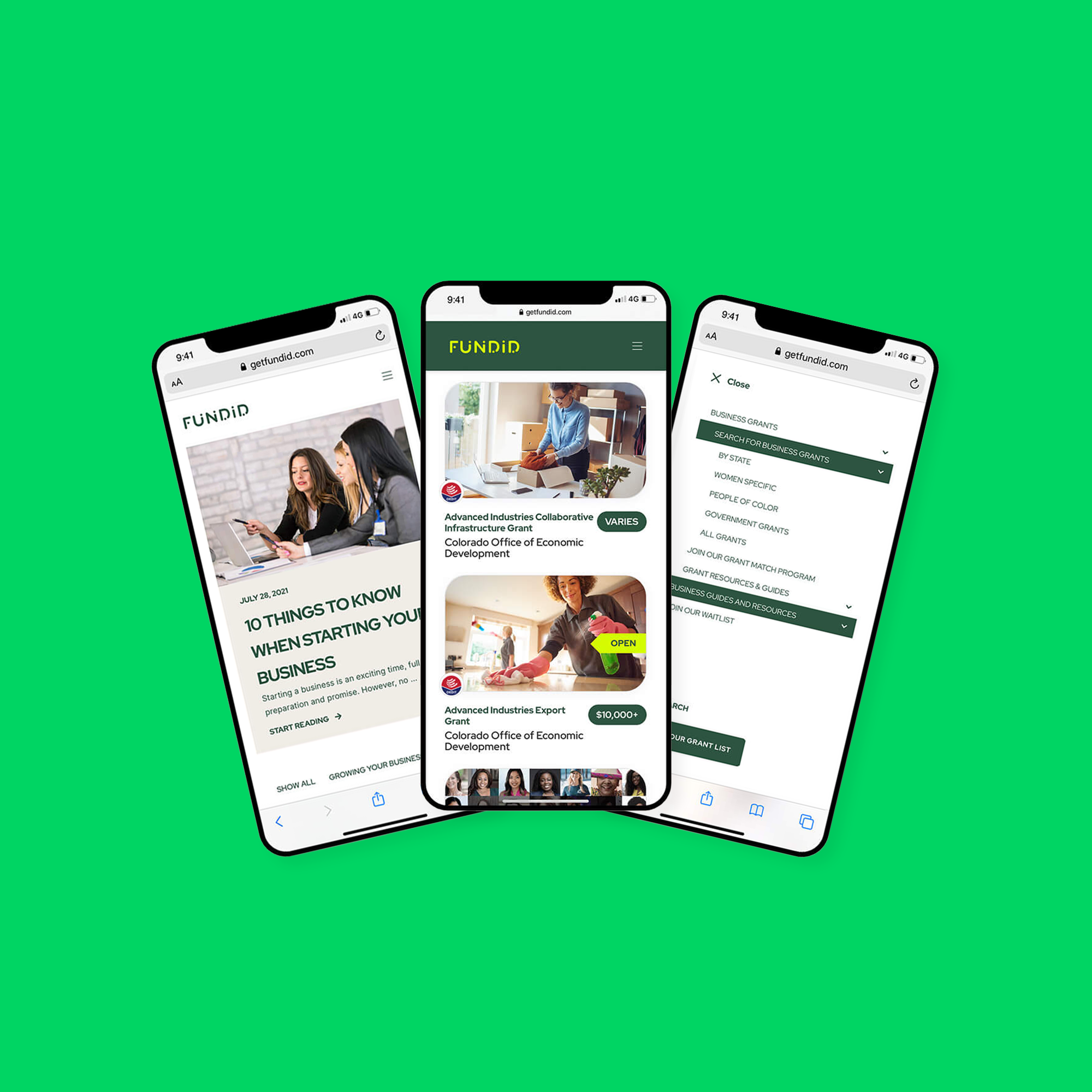
Helping Fundid unlock clarity on female founders' funding barriers

Fundid is a fintech startup on a mission to connect underfunded businesses with grants and capital. As an early-stage company, they needed to validate product-market fit and understand the obstacles female entrepreneurs face when accessing funding — but had no user research methodology in place.

Netguru delivered end-to-end user research, sourcing 70% of participants and running in-depth interviews, then coached the team through hands-on workshops to sustain research in-house. Fundid walked away with validated hypotheses and a final report — user personas, mental models, and sentiment analysis — to move forward with confidence.

Because small business owners are massively overlooked and underserved, we see it as critical to our product to have a clear process around how we collect data and gain insights from the business owners we are looking to serve.

Stefanie Sample

CEO at Fundid

Read case study
fundid green square preview

What our clients say

Netguru's work has resulted in an improved average order value, increased basket size, and higher number of monthly active users. They're proactive, caring, and highly experienced.

Ayman Kaheel

CTO, Breadfast

They leave no stone unturned when it comes to understanding the business context. Thanks to their unique approach, we were able to reduce the workload on our operations team whilst improving the user experience.

Tiago Goncalves Cabaço

VP of Design, Careem

Netguru has been the best agency we've worked with so far. They are able to design new skills, features, and interactions within our model, with a great focus on speed to market.

Adi Pavlovic

Director of Innovation, Keller Williams

Common questions about product discovery services

What does a product discovery engagement typically cost?

Pricing varies depending on scope, team size, and the complexity of the product concept. A focused two-week discovery for a single product idea will cost significantly less than a six-week engagement covering multiple user segments and a complex technical architecture. We scope each engagement individually after an initial call, so you receive a clear proposal rather than a range that tells you very little.

How long does product discovery take?

Most engagements run between two and six weeks. A tightly scoped discovery for an early-stage concept can be completed in two weeks. A more complex engagement — covering multiple user personas, a regulated industry, or a significant technical unknowns — typically takes four to six weeks. We agree the timeline upfront and do not extend it without a clear reason.

What do we actually receive at the end of the engagement?

You receive a set of concrete, decision-ready documents. These typically include a validated problem statement, user research findings, a prioritised feature list, a technical feasibility report, wireframes or a prototype, and a phased delivery plan with effort estimates. Everything is formatted for internal presentation, so you can take it straight to a board meeting or investor conversation.

Who is product discovery for?

Discovery is well-suited to three types of buyers. Founders building a first product who need to validate an idea before committing development budget. Product leaders at scale-ups who are planning a significant new feature or a platform rebuild. Heads of engineering or CTOs at established companies who need a business case and a technical plan before going to the board. If you already have a clear, validated spec and an aligned team, you may not need discovery — we will tell you that on the first call.

How is discovery different from just starting the project?

Starting a project without discovery means your first sprint is built on assumptions. Discovery replaces those assumptions with evidence. The practical difference is that teams who complete discovery before development typically spend less time in rework, have fewer mid-project scope changes, and ship a first version that is closer to what users need. Discovery is a short, fixed-cost engagement; a mid-project pivot is neither short nor fixed-cost.

Do we need to have a technical team in place before starting discovery?

No. Discovery is designed to inform those decisions, not depend on them. Many clients come to us before they have hired engineers or chosen a technology stack. The technical feasibility work we do during discovery often informs exactly those choices — what skills to hire for, which infrastructure approach makes sense, and where to use off-the-shelf components versus custom builds.

What are stakeholder interviews and why do they matter?

Stakeholder interviews are structured one-to-one conversations we conduct with the key people inside your organisation who have a view on the product — founders, product managers, engineers, sales leads, and customer success teams. They surface conflicting assumptions, hidden constraints, and strategic priorities that rarely appear in a brief. Resolving those conflicts during discovery rather than during a sprint review saves significant time and budget.

Ready to validate your product direction?

A discovery call takes 30 minutes. We will ask about your product concept, your current constraints, and what decisions you need to make. If discovery is the right next step, we will scope an engagement. If it is not, we will tell you that too.

Book a discovery call