
AI-Powered Sales Advisor for Ecommerce

The client

Netguru’s R&D department built this experimental assistant to see how far AI-driven personalisation can go in retail. It behaves as a virtual sales advisor, giving a shopper product recommendations picked for them.
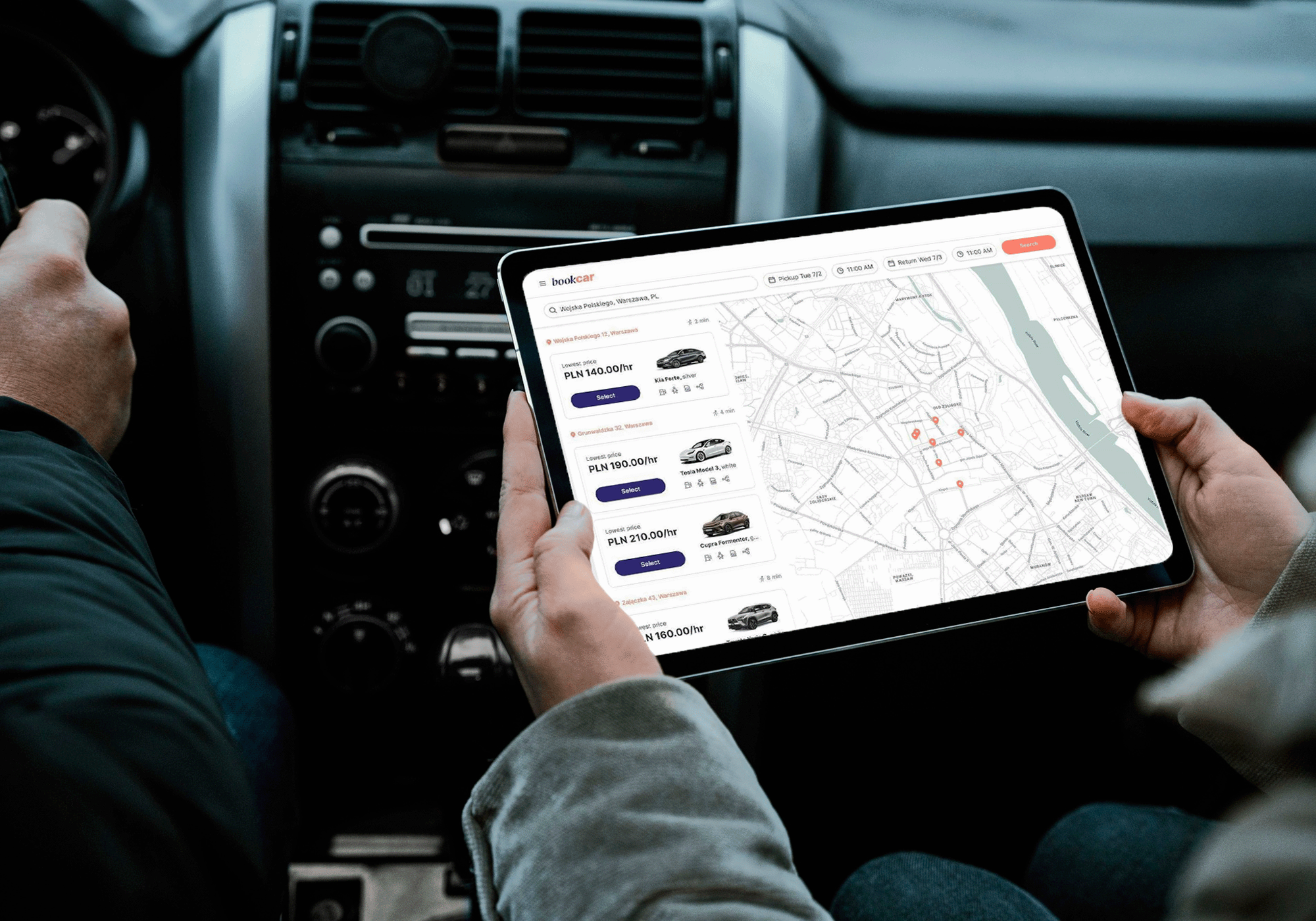
Working from hardcoded data, it gives targeted advice inside a product category. Two scenarios were tested: a car rental advisor helping users pick a rental, and a multicooker advisor recommending kitchen appliances across premium, mid-range and budget tiers.
The challengeWhat the teams actually needed
Online retail keeps getting easier to use, and shoppers still hit the same walls — while retailers face their own set of them.
Challenge 01Too much to choose from
The sheer number of available products makes a decision hard, and support is slow and inconsistent when retailers handle many inquiries at once.
Challenge 02Personalisation that falls short
Shoppers expect the journey to be tailored to them, and they go to whichever platform seems to understand them best.
Challenge 03Data collected, not used
Retailers gather plenty of data but rarely turn it into personalised insight, while operating across web, store and mobile at once remains difficult.
What we did
An assistant that reads preferences and answers in the shopper’s language
The assistant analyses what a customer prefers, processes the product data and returns recommendations built for that person.
Answers, not search results
A chatbot running on a private instance of Azure OpenAI’s GPT-4 fields customer questions and plays the role of a sales advisor, pulling context from a vector database to keep responses relevant.
Three tiers, one conversation
Suggestions span top, medium and budget price tiers, drawn from product data held in a vector database for quick retrieval.
Every channel, several languages
The assistant runs across web, mobile and in-store and speaks multiple languages, which makes it usable for a global audience.
A lever for the merchandiser
Administrators can promote particular products through the recommendation system, so the assistant serves the marketing and sales strategy rather than ignoring it.
Tech stackThe tools that made it possible
01
React.js
The frontend, picked for flexibility and the support around it.
02
Python
The backend, with an admin panel for managing what gets recommended.
03
AWS
Cloud infrastructure behind the scalability and reliability.
04
Azure OpenAI
GPT-4 supplying the natural language responses.
More like thisOther places we scaled product teams for growth.
What’s next