
5× more releases on half the budget: an AI Pod for ITI

5×
More production releases
10 releases in the first 4 months of the AI Pod, against 2 in the 5 months before.
−52%
Monthly budget
Lower monthly team budget after moving to the AI Pod, with the core team cut from 8 to 4.
6
Median days to production
From merged code to production. Small fixes ship within hours.
The client

The International Team for Implantology (ITI) is a global community of 25,000+ implant dentistry professionals.
Together with ITI, we built the ITI AI Concierge, an assistant that answers members' questions only from ITI's library and cites each source down to the page.
The challengeMore features per euro at a growing scale
After the MVP launch, ITI asked us to halve the monthly budget and deliver more features per euro. A classic smaller team would have slowed delivery, so we proposed an AI Pod of builders working with AI agents.
01Four roles off in a month
The new budget moved analysis, design, frontend and security roles off the project within a month. Their knowledge had to stay with the four remaining builders.
02Quality at AI speed
AI agents produce code faster than people can review it. Every reviewer had to understand what they approved, and answers for members had to stay accurate.
03A new model to trust
ITI had to accept a smaller team on a product its members rely on, with no drop in pace or answer quality.
What we did
Four builders working with AI agents
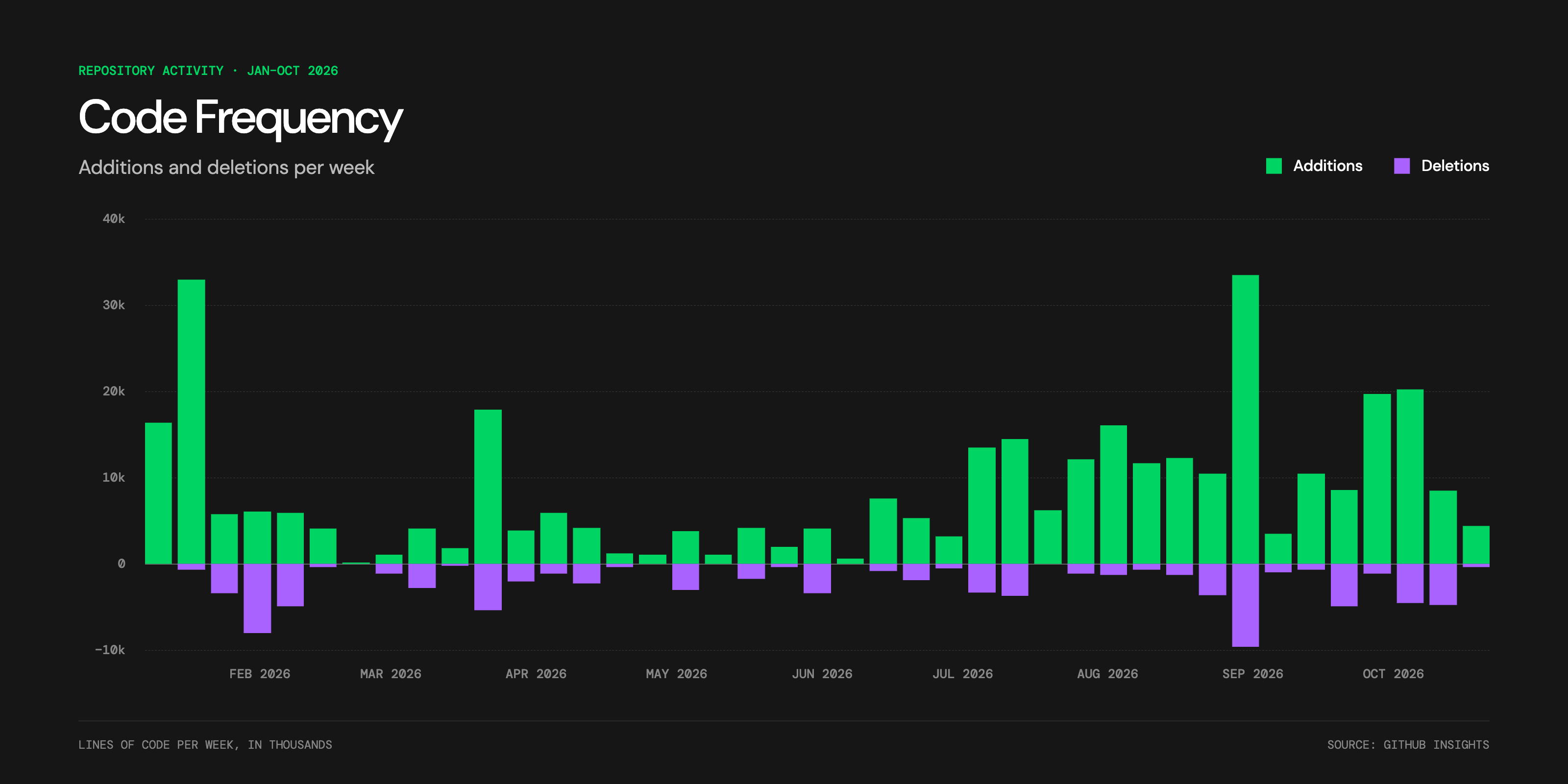
We turned the team into an AI Pod of four builders who each deliver whole features with AI coding agents. After a month of tuning, weekly commits grew 2–3× and each code change costs 68% less.
Everyone on the team builds
PM, QA, backend and AI engineers all ship features and pick up any task. Our QA engineer alone delivered 54 code changes, and a tech lead and DevOps engineer join only when needed.
Project knowledge written for agents
Before the team shrank, we wrote the project's rules into the repository for people and AI agents. Agents turn each written spec into code, and any builder can take over a feature in about an hour.
Four build days, one for maintenance
Four days a week go to features, the fifth to tests, security, accessibility and cleanup. ITI tests and approves every release, and this rhythm delivered voice questions, source author credits and four answer modes.
Every change tested and reviewed
Automated tests keep answers accurate, and every release runs end-to-end tests. Each code change gets an AI review, a security scan and a check by a person who knows the code.
Client testimonial
I love it, absolutely. I'm proud that we were bold enough to do this as a small, agile organization. It really shows, and the results are great.
Tech stackThe tools that made it possible
Claude Code & GitHub Spec Kit
AI coding agents that turn written specs into plans, tasks and code.
Promptfoo & Langfuse
Promptfoo tests answer quality before each release. Langfuse traces answers in production and collects member feedback.
FastAPI, LangChain & Azure OpenAI
Retrieval-augmented generation (RAG) finds the right passages in ITI's library, and the assistant answers only from them.
React 19 & gpt-live-transcribe
The member app, with voice input that turns spoken questions into text.
GitHub Actions, Terraform & Playwright
Automated tests and a release pipeline on Microsoft Azure, with infrastructure as code.
More like thisOther places we scaled product teams for growth.
What’s next