
Product Design Services for Médecins Sans Frontières
20
Years of exclusivity
What a granted medicine patent buys the company holding it.
2+
Years of maintenance
Ongoing, after months of complex work on the platform itself.
The client
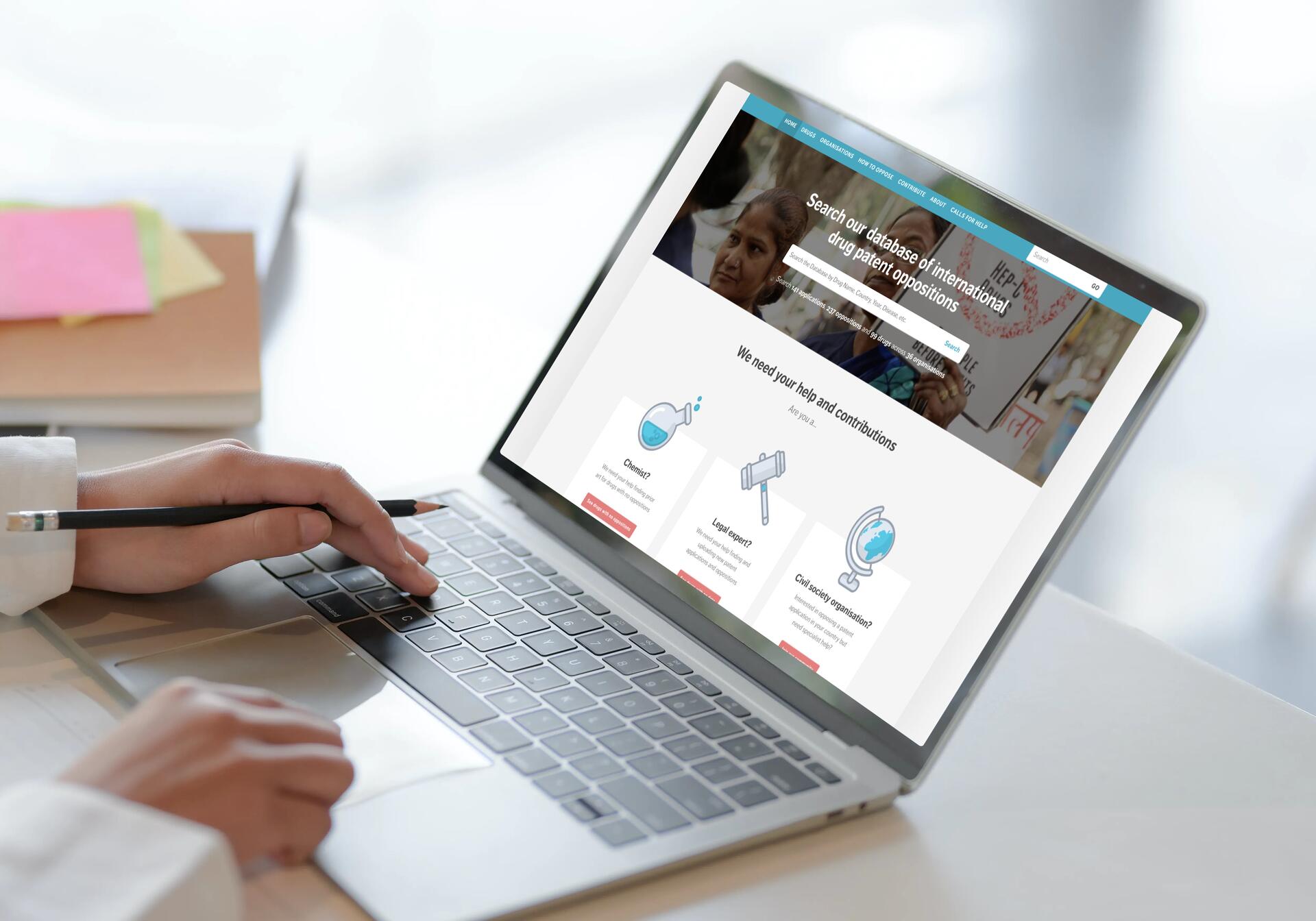
Médecins Sans Frontières is an independent international medical NGO with a clear purpose: effective medical care for people who need it, including access to the medicines, tests and vaccines that save lives.
It works through several projects. One of them is the Access Campaign, and the Patent Opposition Database is one of that campaign’s tools — because MSF points at medicine patents as a factor in whether treatment is available and affordable at all.
The challengeWhat the teams actually needed
Patents push the price of medication up, which puts it out of reach of the people who need it most.
Challenge 01Twenty years of monopoly
A granted patent gives a pharmaceutical company the exclusive right to make and sell a drug for two decades, which stops anyone producing a cheaper version and removes the competitive pressure on price.
Challenge 02Patents that are not new
Many medicine patents cover small tweaks — a powder becoming a pill, ingredients adjusted slightly — used to extend a monopoly rather than to protect an invention.
Challenge 03Opposition, if you can find it
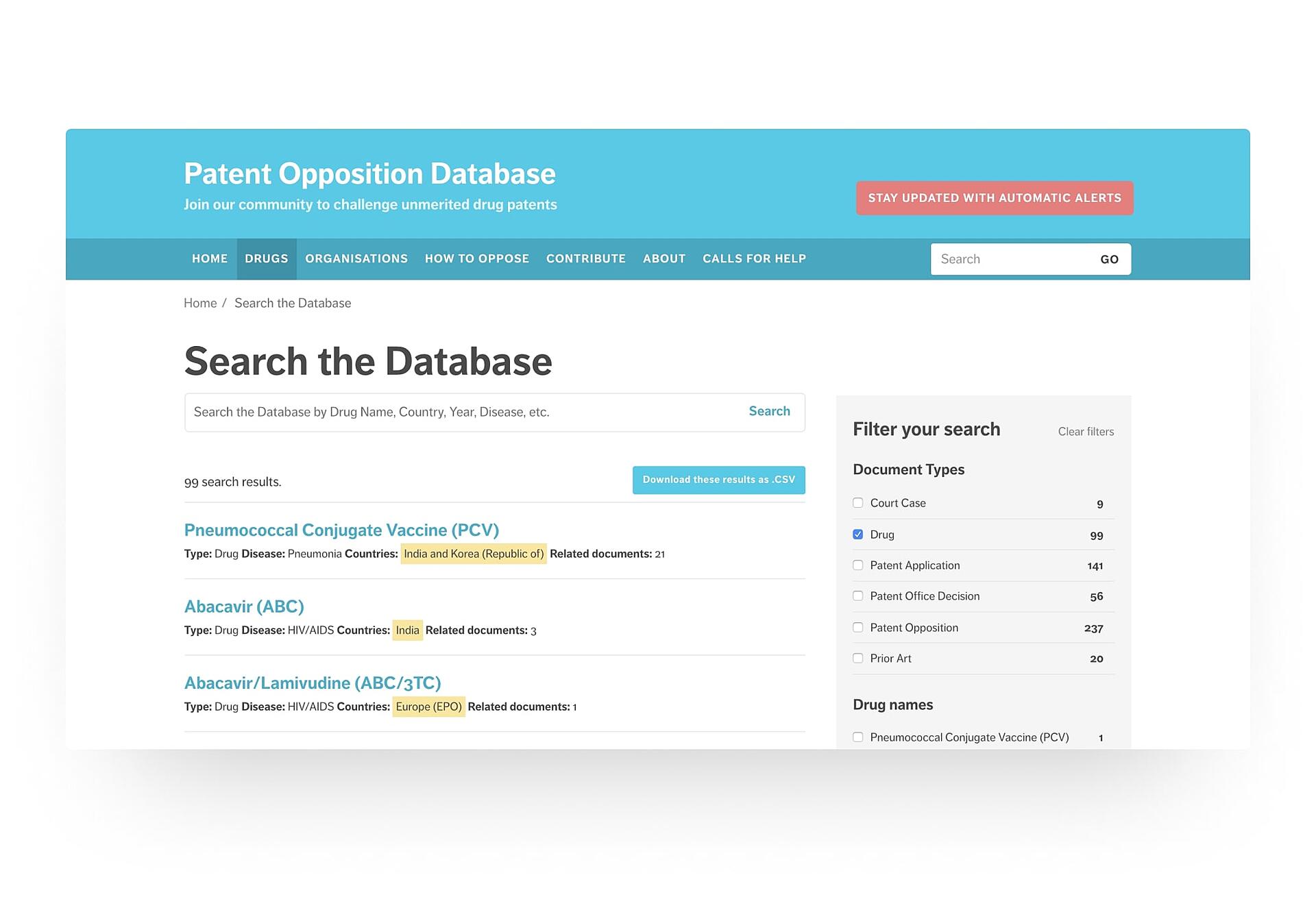
Most patent laws include procedures for challenging a patent, and the database exists to make those usable.
What we did
A platform built to grow with the campaign
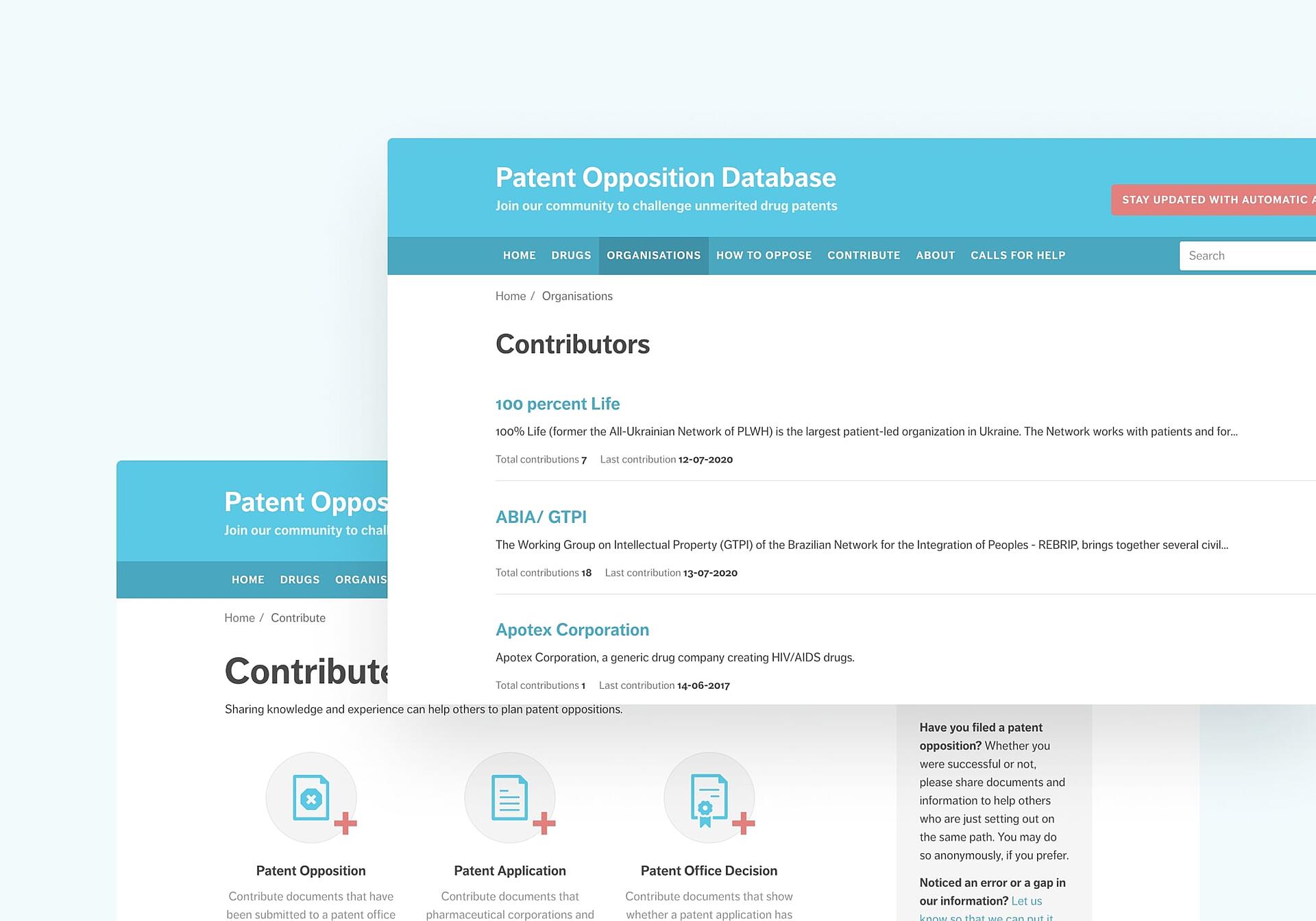
The Access Campaign gained a scalable, user-oriented platform designed with growth in mind rather than a site that would need replacing.
Scalable by design
The database was built so it could keep expanding as the campaign does, which is not how most advocacy tools start life.
Oriented around them
The platform is built around the people who use it to find and file oppositions, not around the data model.
More than two years of it
After months of complex work, ongoing maintenance has kept the database functioning seamlessly in a digital environment.
Still being improved
The team remains responsible for code and user experience improvements that keep the platform’s structure current.
More like thisOther places we scaled product teams for growth.
What’s next